Newsletter Subscribe
Enter your email address below and subscribe to our newsletter

 ByJohn A
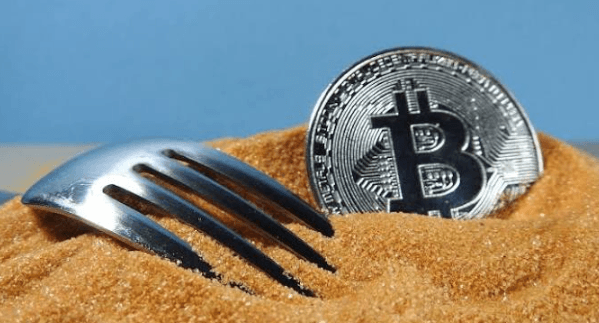
A crypto fork is a protocol change that splits a blockchain’s future path. It alters incentives, costs, and validation rules, which can shift consensus and security. Forks are classified as soft, preserving compatibility, or hard, redefining rules and demanding alignment. Governance and stakeholder negotiation shape outcomes, with risks of fragmentation and uneven participation. The implications touch users, developers, and networks alike, raising questions about transparency and resilience—questions that invite closer scrutiny as situations unfold.
A crypto fork is a change to a blockchain’s protocol that creates two separate paths for future transactions and blocks.
The fork’s significance lies in altering incentives and participation, influencing fork economics through miner and stakeholder behavior. It also highlights governance challenges, as stakeholders negotiate rules, validate consensus, and manage potential fragmentation without undermining security or trust in the network.
Soft forks, hard forks, and updates represent distinct mechanisms by which blockchain protocols evolve, each with different implications for consensus, security, and governance. These distinctions shape outcomes in practice: soft fork implications often preserve compatibility while tightening rules; hard fork governance redefines rules and requires coordinated participant alignment; updates employ staged changes, reducing disruption and enabling measured governance experiments.
See also: Artificial Intelligence in Expense Management
Fork events reverberate across three main groups: users, developers, and the network itself. The impact spans user incentives, shaping participation and costs; developers’ choices influence code revisions, security margins, and fork governance structures; and the network experiences stake-weighted alignment shifts, resource allocation, and governance legitimacy. Clear incentives and governance clarity safeguard neutrality, resilience, and continued network value in the wake of forks.
Deciding on a crypto fork entails weighing risks, governance mechanisms, and practical implications for all stakeholders; the choice shapes security, incentives, and long-term network value.
This assessment centers on fork governance structures, stakeholder alignment, and transparency.
Effective risk management identifies attack vectors, ensures contingency planning, and preserves user trust, while governance clarity reduces fractionalization and accelerates informed, resilient implementation.
A calm, concise conclusion: the crypto fork problem proves pivotal, prompting prudent, patient planning. While soft forks soothe sub-branches, hard forks herald hardheaded shifts, demanding disciplined dialogue and diligent drafting. Stakeholders, from users to developers, shoulder strategic specs and scalable safeguards, seeking balanced benefits and mitigated risks. Governance, transparency, and timely updates guide growth, guarding against fragmentation. Ultimately, forks frame future feasibility, fostering flexible, fortified networks through careful consensus, credible communication, and continuous, cautious collaboration.